Why a Satin Finish Wrap Could Be the Perfect Upgrade for Your Car
I have wrapped a lot of cars over the years. Some were glossy showpieces meant to blind at a car meet. Others were utilitarian fleet vehicles just looking for a bit of protection. But the most interesting conversations I have had with clients always come back to the same question: what finish should I choose? Most people know about high-gloss wraps and standard matte wraps. But fewer have experienced what a satin finish wrap can do. It sits in that sweet spot between shine and subtlety, and once you see it in person, you start noticing it everywhere.
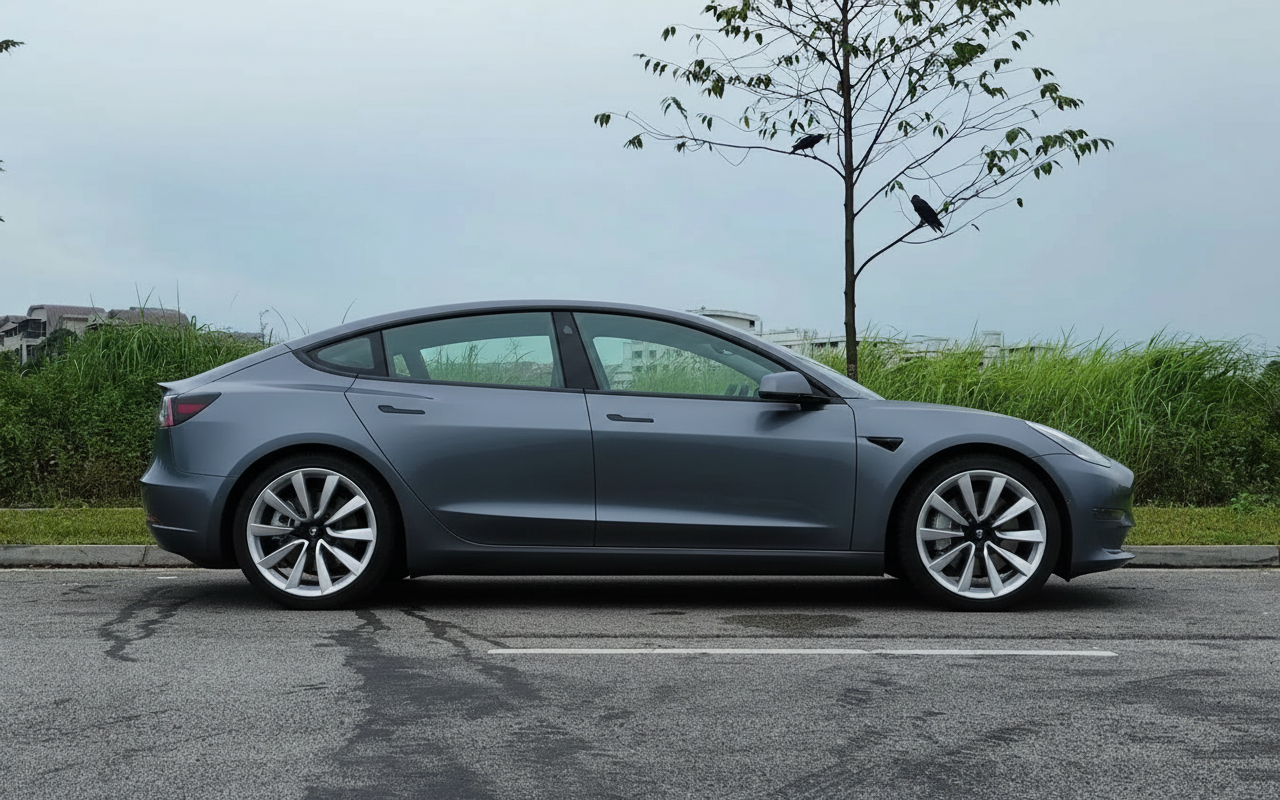
My first encounter with a satin finish wrap was on a friend's daily driver, a dark grey Honda that he had wrapped in a 3M satin series. At first glance, I thought it was a premium paint job. The light hit the surface and scattered softly, no harsh reflections, but also no flatness. It had depth. Up close, the texture felt smooth but not slippery, like a well-worn leather jacket. That moment changed how I think about auto customization. It is not always about being loud. Sometimes it is about being right.
What Exactly Is a Satin Finish Wrap?
To understand the satin finish wrap, you need to look at how light behaves on different surfaces. A glossy wrap reflects light like a mirror. It is sharp, bright, and demanding. A matte wrap absorbs light, creating a soft, almost powdery look that reduces glare. The satin finish wrap lives between them. It has a low-to-medium gloss level, usually around 30 to 40 percent sheen. It reflects light but diffuses it, so you get a smooth, velvety appearance without the harsh hotspots of gloss or the dead flatness of matte.
In the vinyl wrap world, this finish is often achieved by using a special laminate or by selecting a film that already has a satin texture built in. Brands like 3M and Oracal offer satin-grade options within their wrap lines. The material is still a high-quality cast vinyl, but the top layer is engineered to scatter light. This makes a huge difference in how the wrap looks under real-world conditions, like harsh Singapore sunlight or dim underground parking. It hides fingerprints better than gloss, and it shows fewer dust particles. For a daily driver, that matters.
Why Choose Satin Over Gloss or Matte?
I often tell people that choosing a car wrap finish is like choosing a shirt fabric. Gloss is like polished silk: stunning when clean, but every wrinkle and smudge shows. Matte is like raw linen: honest and understated, but can look a bit flat in low light. Satin is like a high-quality cotton twill: it has structure, a bit of sheen, and it wears well over time. For a car wrap studio, understanding these trade-offs is essential to delivering the right result.
A glossy wrap has its place. It makes colours pop, especially on pearlescent and metallic finish films. But it also requires constant upkeep. Every swirl mark, every water spot, every bit of dust becomes a focal point. On the other hand, a matte wrap gives a modern, stealthy look that works well on dark colours and flat surfaces. But it can be unforgiving in direct sunlight, sometimes looking washed out or too dull.
The satin finish wrap bridges that gap. It gives you enough reflectivity to show off the depth of a custom wrap, while still being practical for everyday use. I have seen satin wraps on cars in Singapore that look just as good after a week of highway driving as they did on the day of installation. That is not something you can say about every automotive finish.
Real-World Performance in Singapore
Living and driving in Singapore means dealing with intense sun, sudden tropical downpours, and high humidity. These conditions test any vehicle wrap. Heat causes adhesives to soften. UV rays fade colours. Moisture can get under edges if the wrap is not installed properly. That is why material choice matters so much here.
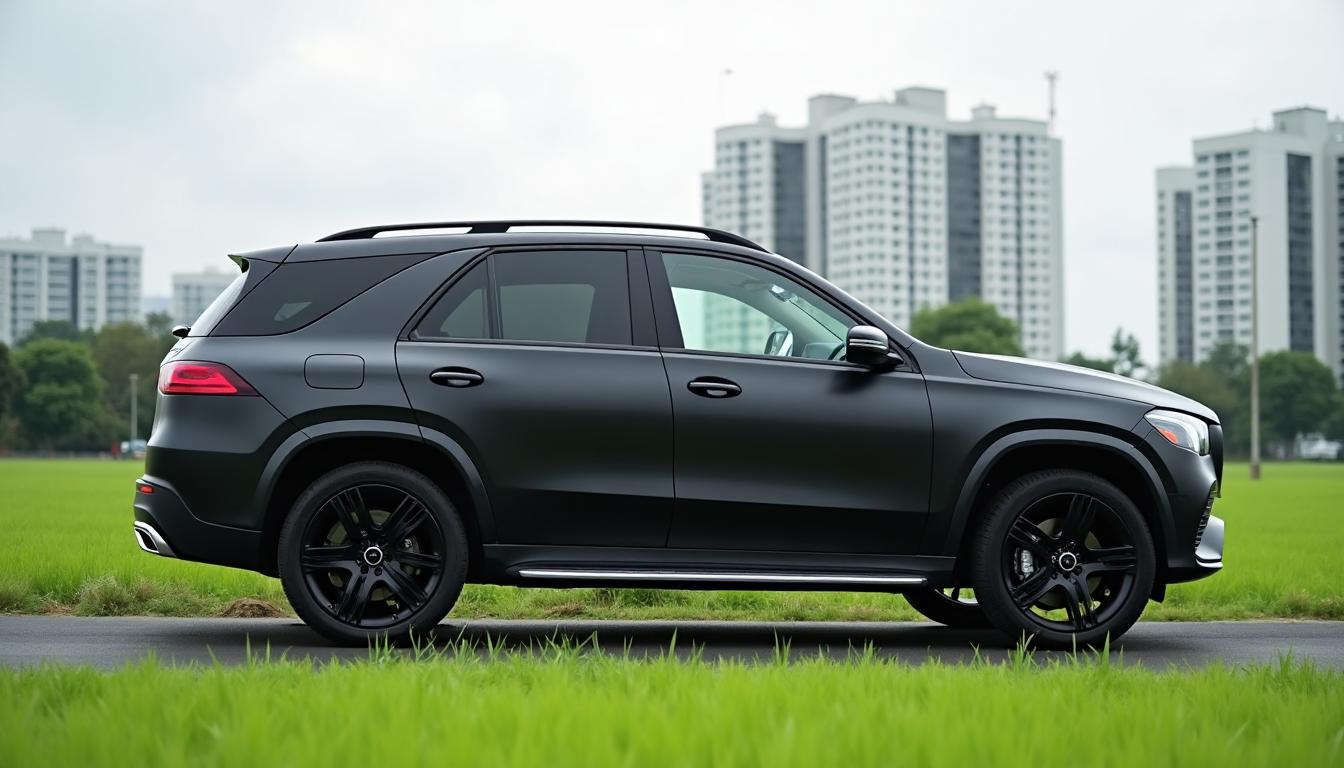
When I recommend a satin finish wrap to someone in Singapore, I am not just thinking about aesthetics. I am thinking about durability. The satin laminate used by brands like 3M and Oracal is designed to resist UV fading and maintain its texture for years. It also helps hide minor imperfections in the underlying car paint, which is a big plus if your car has some age on it. Unlike a glossy wrap that amplifies every dent and scratch, satin smooths them out visually.
I remember helping a client who drove a pearl white sedan. He wanted a custom wrap that would look classy but not flashy. We spent a while looking at samples under different lights. Gloss was too loud for his taste. Matte felt too flat. Then we laid a piece of satin finish wrap next to his car. The colour deepened just enough, and the texture gave the car a refined, almost fabric-like feel. He went with it, and six months later he told me it still looked new. That is the kind of feedback that confirms the choice was right.
Installation and Maintenance
Applying a satin finish wrap is not the same as applying a glossy one. The installer needs to handle the film with extra care because satin surfaces show marks differently. Glossy wraps can sometimes hide a tiny dust spec under the shine. Satin does not. That means the prep work, cleaning the car, removing old wax, and ensuring a dust-free environment, has to be meticulous. A good car wrap studio will always do a full inspection before installation.
Once the wrap is on, maintenance is straightforward. You can hand wash the car as usual. Avoid automatic car washes with brushes, because they can dull the satin texture over time. Use a gentle car care shampoo and a soft microfiber cloth. If you want to add a protective layer, some laminates are specifically designed for satin finishes. But in most cases, the wrap itself is enough to protect the original car paint underneath.
One thing I tell every client: the finish you choose affects how you care for the car. A satin finish wrap is more forgiving than gloss when it comes to showing dirt, but it is also less forgiving than matte when it comes to scratches. That is the trade-off. You get a beautiful, low-glare look, but you still need to treat the surface with respect.
How to Preview and Choose Your Custom Wrap
Choosing a finish is not something you should do from a computer screen. Colours and textures look completely different in person. That is why a good car wrap studio will let you preview the wrap on your own car before you commit. Some use digital previews that map the design onto photos of your vehicle. Others have physical sample books or even small test patches you can apply to a hidden area.
If you are considering a satin finish wrap, here are a few things to look for during a preview:
- Check the wrap under direct sunlight and in shade. Satin can look different depending on the light angle.
- Run your hand over the surface. It should feel smooth but not slick, with a subtle texture.
- Look at the edges of the sample, see how it curves around corners. Satin films can be slightly thicker than some glossy films, so installation quality matters.
- Ask about the laminate. A good satin finish wrap uses a quality laminate that resists yellowing and peeling.
- Compare it side by side with a glossy wrap and a matte wrap. The difference is often subtle in photos but obvious in person.
Once you have seen it, you can request a free quote from the studio. Most premium wrap shops in Singapore will give you a detailed breakdown based on the size of your vehicle, the complexity of the design, and the material you choose. A satin finish wrap may cost slightly more than a standard glossy wrap because of the specialised laminate, but the durability and look often justify the difference.
Final Thoughts on Satin
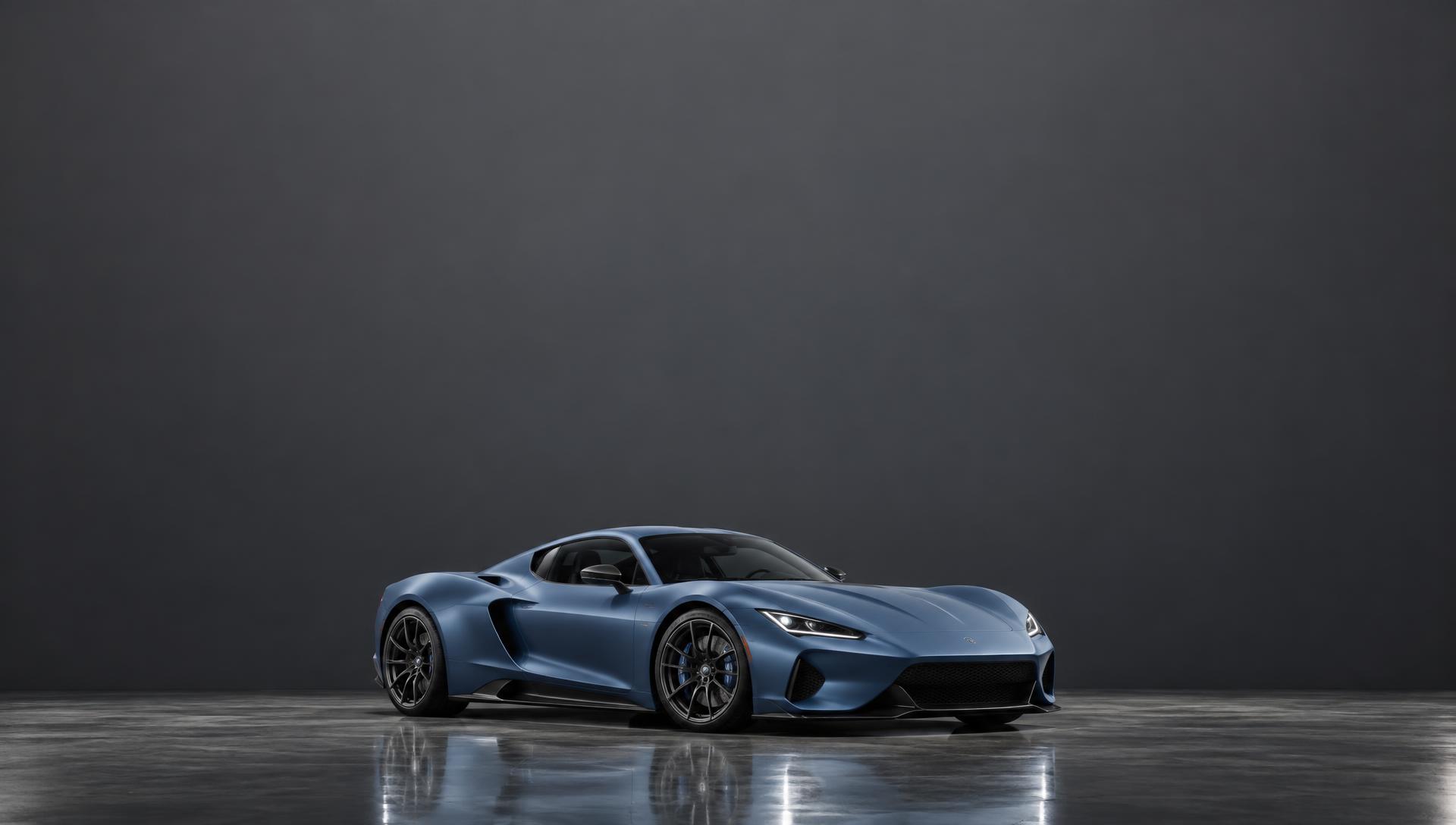
Auto customization is evolving. People are moving away from the idea that a wrap must be either mirror-gloss or dead-flat. The satin finish wrap offers a middle path that feels more natural and more wearable. It works especially well on cars with clean lines, light colours, and understated designs. But I have also seen it transform bold colours like deep reds and blues, giving them a richness that gloss cannot match.
If you are still unsure, talk to your installer. Tell them you are interested in a satin finish wrap and ask to see examples of past work. Any experienced car wrap studio will have photos of satin jobs they have done. Look at how the light falls on the car. Look at how the wrap holds up after a few months. Then decide. I have been in this industry long enough to know that the best wrap is the one you actually enjoy looking at every day. For a lot of people, satin is that finish.